-
 IELTS Topic: ENVIRONMENT
Reading 3
How the myth of food miles hurts the planet
Original source: The Guardian

Thousands around the UK and overseas, have decided to reject foods that have been transported over long distances by road, air or sea to their dinner plates. They even have their own name for themselves – locavores – and insist that their way is the only one to save the planet.
But the idea that ‘only local is good’ has come under attack. “The concept of food miles is unhelpful and stupid. It doesn’t inform about anything except the distance travelled,” Dr Adrian Williams, of the National Resources Management Centre at Cranfield University, told The Observer last week.
Such criticism suggests that careful reassessment of the concept’s usefulness is necessary.
Consider that supermarket stalwart: green beans from Kenya. These are air-freighted to stores to allow consumers to buy fresh beans when British varieties are out of season. Each packet has a little sticker with the image of a plane on it to indicate that carbon dioxide from aviation fuel was emitted in bringing them to this country.
But a warning that beans have been air-freighted does not mean we should automatically switch to British varieties if we want to help the climate. Beans in Kenya are produced in a highly environmentally-friendly manner.
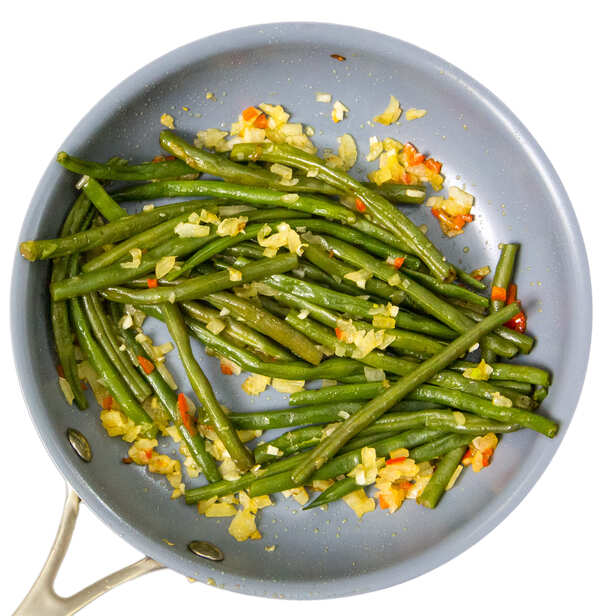
Kenyan green beans airfreighted to British supermarkets are produced on environmentally-friendly farms
Source: Milanchikov Sergey/ Shutterstock
… air-transported green beans from Kenya could account for the emission of less CO2 than British beans
“Beans there are grown using manual labour – nothing is mechanised,’ says Professor Gareth Edwards-Jones of Bangor University, an expert on African agriculture. ‘They don’t use tractors, they use cow muck as fertiliser; and they have low-tech irrigation systems in Kenya. They also provide employment to many people in the developing world.
… (Kenyan) beans are grown using manual labour, … cow muck as fertiliser, … and low-tech irrigation systems
“So you have to weigh that against the air miles used to get them to the supermarket.”
When you do that – and incorporate these different factors – you discover that air-transported green beans from Kenya could actually account for the emission of less carbon dioxide than British beans. The latter are grown in fields on which oil-based fertilisers have been sprayed and which are ploughed by tractors that burn diesel.
In the words of Gareth Thomas, Minister for Trade and Development: “Driving 6.5 miles to buy your shopping emits more carbon than flying a pack of Kenyan green beans to the UK.”
Then there is the example of lettuces. In Britain these are grown in winter, in greenhouses which require heating. At those times it is better – in terms of carbon emissions – to buy field-grown lettuce from Spain. But in summer, when no heating is required, British is best. Picking the right source for your lettuces depends on the time of year.