-
 IELTS Topic: ENVIRONMENT
Reading 3
Everything we do now must pass the climate test
Original source: The New York Times

You may have read that there are just eight, or 10, or 12 years to save the world from the climate crisis. There are not. It is already here, gaining strength every day as carbon emissions pour into the atmosphere. It is a slow-motion disaster. Action to avert the worst should have started last week, last year, last decade.
This is not a message of despair, though, but one of measured hope. The gap between the action we could take to reduce global heating and the action we are actually taking can be measured by a brutally simple metric: human suffering. That means every action that closes that gap, however small, is meaningful.
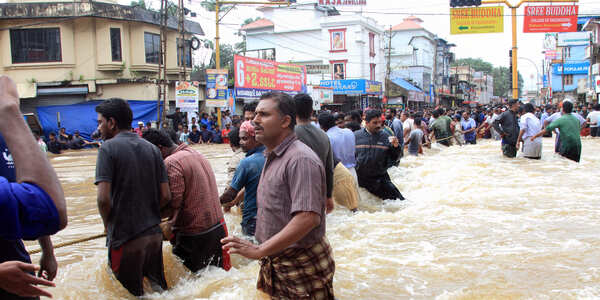
Deadly floods are already affecting many areas of the world and the risk of these events is becoming even greater.
Source: AJP/ Shutterstock
Deadly floods, hurricanes, heatwaves and bushfires already taking lives and ruining livelihoods, and large and rapid cuts in carbon emissions are needed to prevent the damage from becoming far greater. But there is no deadline after which the planet explodes, no point at which action becomes pointless.
… there is no deadline after which … action becomes pointless
Fundamentally, fighting the climate crisis is about fighting the injustice that it magnifies. Preventing the poor, who played no part in fuelling the climate fire, from getting burned. Enabling those with little wealth to build dignified lives without the use of coal, oil and gas. Creating a better world, where we stop exploiting the planet as if its resources were infinite and, through cooperation, learn to live within our means.
… every action that closes that gap (between what we are doing & what we could do), is meaningful.
As Prof Myles Allen of the University of Oxford has pointed out, slavery was once a highly profitable provider of energy and we brought it to an end because it was an affront to the values that make us human.
All very noble, you might be thinking. But what about the cost of action? The answer is that the cost of inaction is far greater. There is no economic growth on a destructive, hothouse Earth – as the financial sector is beginning to recognise.
From now on, every decision taken every day by governments, businesses and communities must pass the climate test: will it cut emissions? From power plants to buildings, transport to farming, projects commissioned today will be running well beyond 2030.
Tackling the climate emergency means tough decisions today, not promises for tomorrow.