-
 IELTS Topic: ENVIRONMENT
Reading 2
Study shows the environmental cost of imported food
Original source: The Age

Has that bunch of bananas on the kitchen bench travelled further than you have?
According to a study by researchers from CERES Community Environment Park, the food in a typical Australian’s shopping basket has travelled a staggering 70,803 kilometres to reach Melbourne — equivalent to almost two trips around the world.
And those “food miles” take a toll on the environment, through greenhouse gas emissions from road, air and sea freight.
… “food miles” take a toll on the environment through greenhouse emissions from road, air and sea freight
Co-author Sophie Gaballa said there were a few surprises, including the long journey needed to get a popular brand of sausages onto Melbourne plates.
“We generally looked at the most commonly bought brands,” she said.
“And when we looked at Hans sausages we found that a lot of their pork is shipped from Denmark, so on average, the sausages had to come about 25,000 kilometres to Melbourne.” The sausages were among four imported items out of the 29 covered in the study. Those imported goods contributed more than two-thirds of shopping basket’s total food miles.
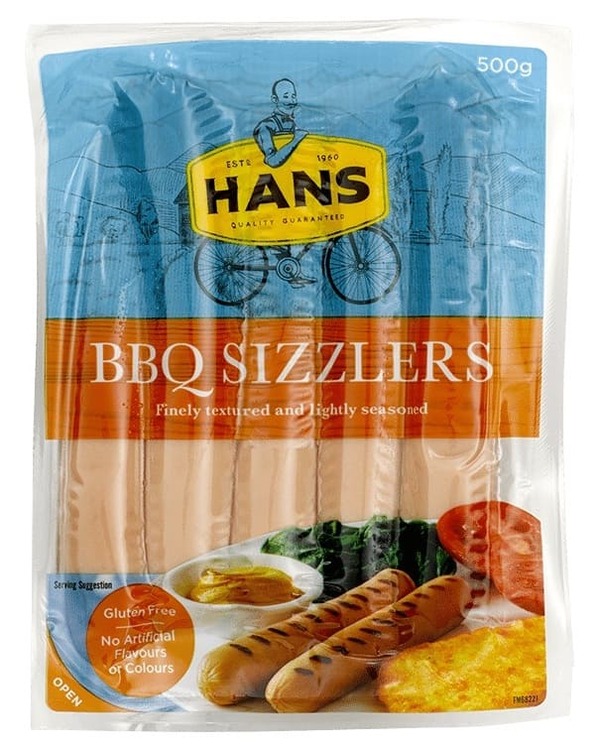
The pork in Hans sausages sold in Melbourne comes from Denmark, 25,000 kilometres away.
Lipton tea leaves grown in several countries but packaged in India and Indonesia had typically done about 8259 kilometres, while Heinz tinned baked beans were shipped from New Zealand (3131 kilometres).
Chocolate from Cadbury’s Tasmanian factory combines cocoa beans from Indonesia via Singapore, sugar from Queensland and Tasmanian milk, adding up to 14,479 kilometres. Even Australian-grown produce can cover huge distances. In winter, tomatoes bought in Melbourne come from as far away as Queensland and Western Australia, while in summer they only have a short trip south from Shepparton and Bendigo.
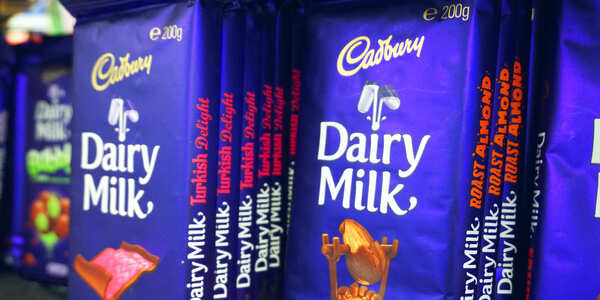
Chocolate bars produced in Cadbury’s factory in Hobart combine chocolate from Indonesia with sugar from Queensland and Tasmanian milk.