-
 IELTS Topic: SPORTS
Reading 2
Body of evidence: matching physique to type of sport
Original source: The Guardian

Having the right body to suit a particular sport can make the difference between success and failure.
Top marathon runners tend to be lean and light, star swimmers are gangly things with huge feet and gold medal weightlifters are solid blocks of muscle with short arms and legs. So does your physique – and indeed the way your body works – fit you for a particular sport, or does your body develop a certain way because of your chosen sport?
A five footer has little chance of becoming an elite basketball player but being six foot nine … doesn’t automatically propel you to Olympic gold
“It’s about 55:45, genes to environment,” says Mike Rennie, professor of clinical physiology at the University of Nottingham Medical School in Derby who cites the case of identical twins from Germany, one of whom was an endurance athlete, the other a power sportsman, “They look quite different, despite being identical twins.”
A five footer has little chance of becoming an elite basketball player, but being six foot nine with the springiest tendons in the land doesn’t automatically propel you to Olympic gold.
Craig Sharp, professor of sports science at Brunel University, made this point at a recent Royal Institution event at which the limits of human performance were debated. “Unless you have tactical sense where needed, unless you have access to good equipment, medical backup and the psychological conditions to have the winning attitude and be able to drive yourself through pain, and of course, superb technique, all the physical side will be in vain.”
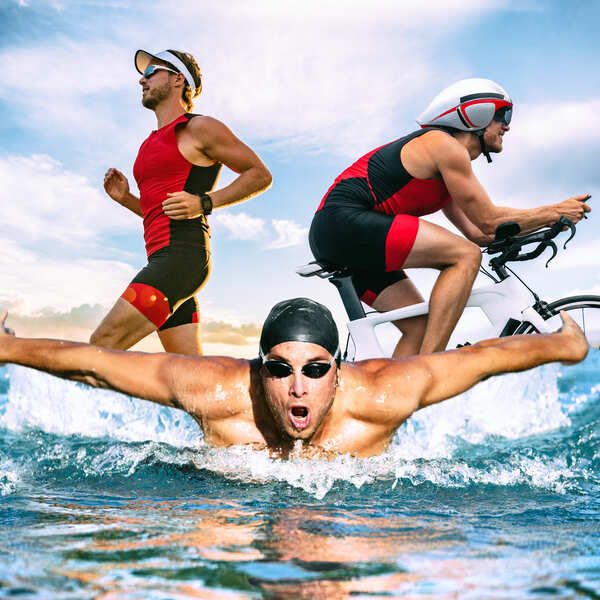
Jonathan Robinson, an applied sports scientist at the University of Bath’s sports development department, underlines the importance of technique. “In swimming, only 5-10% of the propulsive force comes from the legs, so technique is vital.” To illustrate his point, he cites triathletes, who are all extraordinarily fit, yet who may fail to reach competition standard if their swimming technique is poor.
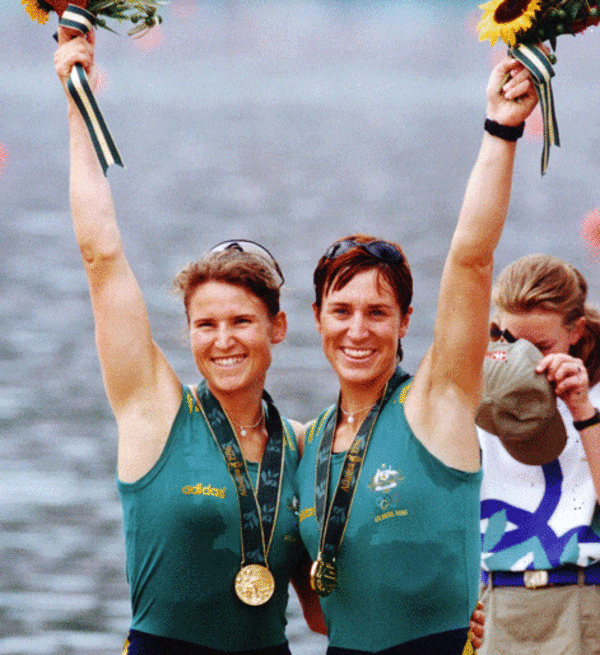
But having the right physique for the right sport is a good starting point. Seventeen years ago, the Australian Institute of Sport started a national Talent Search Programme, which scoured schools for 14-16-year-olds with the potential to be elite athletes. One of their first finds was Megan Still. In 1987, she had never picked up an oar in her life. But she had almost the perfect physique for a rower. After intensive training, she won gold in women’s rowing in the 1996 Atlanta Olympics.
(Below) Megan Still (left) was selected by the Australian Institute of Sport because she had the right physique for a rower. She went on to win Olympic gold. Australian Rowing History