-
 IELTS Topic: SPORTS
Reading 2
Active students are fit for learning
Original source: The Guardian

Getting students active helps to tackle obesity – but it can also improve achievement and behaviour.
With one in three children obese or overweight when they leave primary school, there is a push to raise physical education (PE) to the same status as maths, English and science.
Academic advantages
There is a growing body of research that links physical activity to improvements in achievement. Studies from the British universities of Strathclyde and Dundee, for example, found that intensive exercise boosted the academic performance of teenagers.
… intensive exercise boosted the academic performance of teenagers
This is partly because physical activity improves brain function. Games that are unpredictable and require problem-solving may also boost the skills that help the brain to organise and act on information.
Behaviour benefits
In addition to academic improvements, PE can also have a positive impact on behaviour. The 2014 Youth Sport Trust National PE, School Sport and Physical Activity Survey found that 70% of schools feel sport makes a positive contribution to behaviour and truancy.
Clare Hoods-Truman, associate principal of Birmingham’s Oasis Academy says that since her school began providing at least two hours of PE a week, the children are more tolerant of one another and work better in groups.
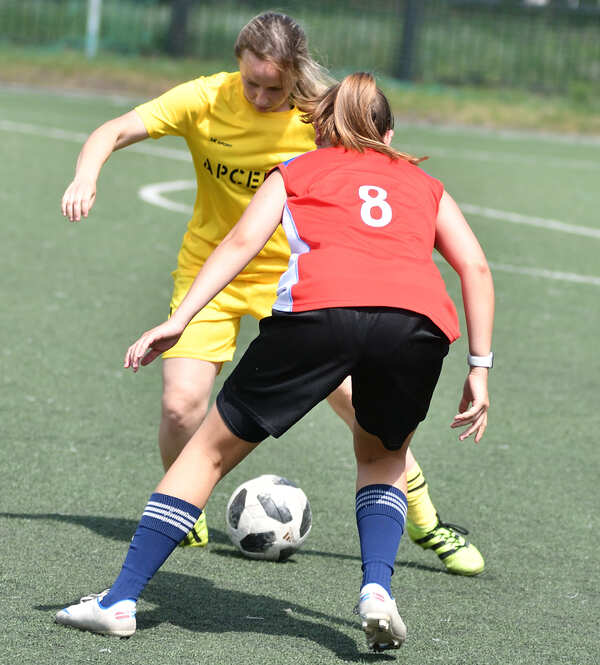
Sport can really help people feel like part of a team
PE and sport have also been shown to increase the sense of connection young people feel with their school.
Kevin Barton, executive head of achievement for the Youth Sport Trust, says: “Sport can really help people to feel like part of a team. That may sound really obvious, but it is missing from a lot of young people’s lives.”