-
 IELTS Topic: HEALTH
Reading 1
Not sleeping enough is literally killing us
Original source: ABC
We all know that when we don’t sleep enough, the following day will be painful. But alarming research confirms that’s not where the repercussions end, writes Dominic Knight.
We don’t sleep enough. Modern life stretches us until we’re worn out like cheap rubber bands that have grown weak and flabby. But instead of heeding the message and retreating to slumberland, with earplugs, eye masks and a soothing recording, we struggle on.

We simply don’t sleep enough. This can lead to frequent yawning and sluggish thinking during the day as well as a range of health conditions. Source: sanneberg/ Shutterstock
Resisting healthy sleep has become our daily norm. We are woken not by the sun at the time that suits our biorhythm, but by the remorseless bleeping of gadgets. On the way to work, caffeinated drinks jolt our sluggish brains into action. On the way home, electronic devices interrupt us with supposedly urgent messages, preventing us from shifting our minds away from the workplace.
Sleeping fewer than 7 hours … increases our risk for obesity, diabetes, high blood pressure, heart disease and stroke
And all the while, there’s society’s constant pressure to earn, succeed, compete and provide. Making rent or mortgage repayments, balancing budgets, planning for the future – it’s stressful and exhausting.
Our sleep debts pile up and, if we don’t pay them back, the punishment is physical. That’s the main lesson from a study by the US Centre for Disease Control (CDC). Sleeping fewer than seven hours, the CDC says, increases your risk for “obesity, diabetes, high blood pressure, coronary heart disease, stroke, frequent mental distress, and all-cause mortality”.
And if that’s not disturbing enough, it also “impairs cognitive performance, which can increase the likelihood of motor vehicle and other transportation accidents, industrial accidents, medical errors, and loss of work productivity that could affect the wider community”.
In other words, it can kill you slowly or quickly.
It shouldn’t be so hard to sleep more hours, given how naturally sleep comes to most of us, but it is. The artificial light from our ubiquitous screens trick our bodies into thinking it’s time to be up and about, right when they’re supposed to be lulling us off to slumberland. I constantly find myself checking Twitter or Facebook or a messaging app when I’m meant to be dozing off.
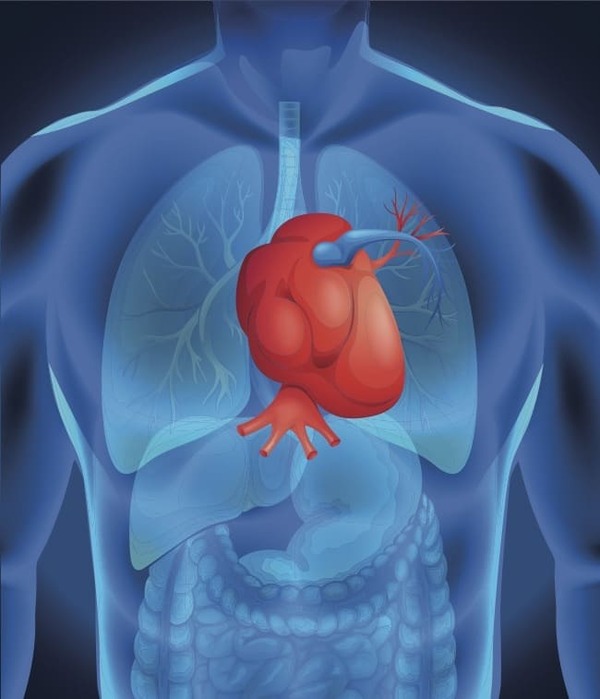
Those who do not sleep enough at a much higher risk of suffering a heart attack.
Source: White Space Illustrations/ Shutterstock
… it can kill you slowly or quickly
The temptation to put in a few more hours to get ahead is constant, and even when we have a night off, there’s a temptation to stay out a few more hours to blow off some extra steam.
So we can add sleeping enough hours to healthy eating and regular exercising, two other things we’re constantly told to do by doctors but never seem to act on.