-
 IELTS Topic: HEALTH
Reading 1
Dieting simply doesn’t work
Original source: The Guardian

Psychotherapist Susie Orbach says society needs to take on the food and weight-loss industries.
Being overweight has never just been about the amount of calories you consume. Yet the British government’s obesity strategy, which includes mandating calorie displays on menus, banning junk food adverts before 9pm, offering Weight Watchers discounts and ending discount deals on “unhealthy” foods, reflects the widely held misconception that weight loss can be achieved by restricting calories and fat. The reality is that tackling obesity requires a far greater rethink of our relationship with eating – starting with the food and diet industry.
Of every 100 people who diet, only three will manage to keep the weight off in the long term
From keto to paleo, superfoods to juice cleanses, clean eating and raw diets, we’ve been confronted with a dizzying array of dieting advice in recent years. But most of this information is completely useless. Of every 100 people who diet, only three will manage to keep the weight off in the long term. Why is the government ignoring this evidence?
Rather than mandating calorie labelling, the government should be worrying about what goes into many processed foods and ready meals. The extra ingredients and chemical enhancers that make food tastier have none of the nutritional value found in normal food groups. These additives optimise flavour in a product and encourage us to override our natural sense of when we’re full. Consequently, we eat more.

Many people dream of losing weight by reducing their calorie intake and the British government is supporting this diet myth with its range of anti-obesity measures. Source: Elnur/ Shutterstock
In the 1980s low-fat products and desserts flavoured with sugar and artificial sweeteners first entered the market; they were deemed healthier than their full-fat alternatives. But what first appeared helpful caused confusion: the lost fat was simply replaced with calories from elsewhere.
And restricting the number of calories you consume doesn’t help either. Your body adapts by decreasing the rate at which you burn them. So that often means the pounds go on, not off.
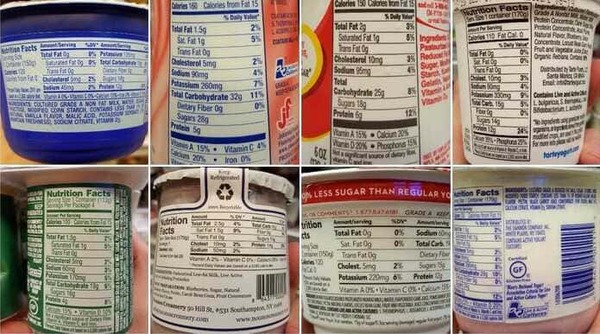
Removing the fat from low-fat yoghurts can also remove taste. So some brands add a large amount of sugar to make them to make them taste better.
Source: Rebecca Harrington/ Tech Insider
Preventing obesity and encouraging the population to be healthier requires far more than banning two-for-one offers on sugary snacks or junk food adverts before 9pm. We need to completely overhaul our troubled relationship with eating. Talk of “good” and “bad” foods has contributed to an obsession with size and weight loss. What’s needed instead is a more holistic approach to food, where people are encouraged to eat food groups in balance.
We need messaging that encourages people to eat when they are hungry and to savour every mouthful. Then they can stop when they are full. We should stop stigmatising fat and calories, and encourage people to recognise that their body has a naturally predisposed weight.
Eating sustainably requires serious political will. It begins by taking on the huge food and diet industries and curbing the production of foods that that are designed to override our body’s needs and signals. Only then can our relationship with food become a healthier one.