-
 IELTS Topic: TRANSPORT
Reading 3
The streets were never free
Original source: The New York Times
Congestion pricing, soon to be implemented New York’s Manhattan, has the potential to significantly change how traffic flows through the streets, how commuters get around the city, how companies like Uber and Lyft operate.
But most radically, if the policy spreads it could challenge a deeply embedded cultural idea, requiring people to pay for something Americans have long demanded — and largely believe they’ve gotten — free of charge.
The idea of the open road evokes these meanings: The freedom to use it should be free. Residential street parking should be free. Traffic lanes should be free. Stretches of public curb dedicated to private driveways? Those should be free, too.
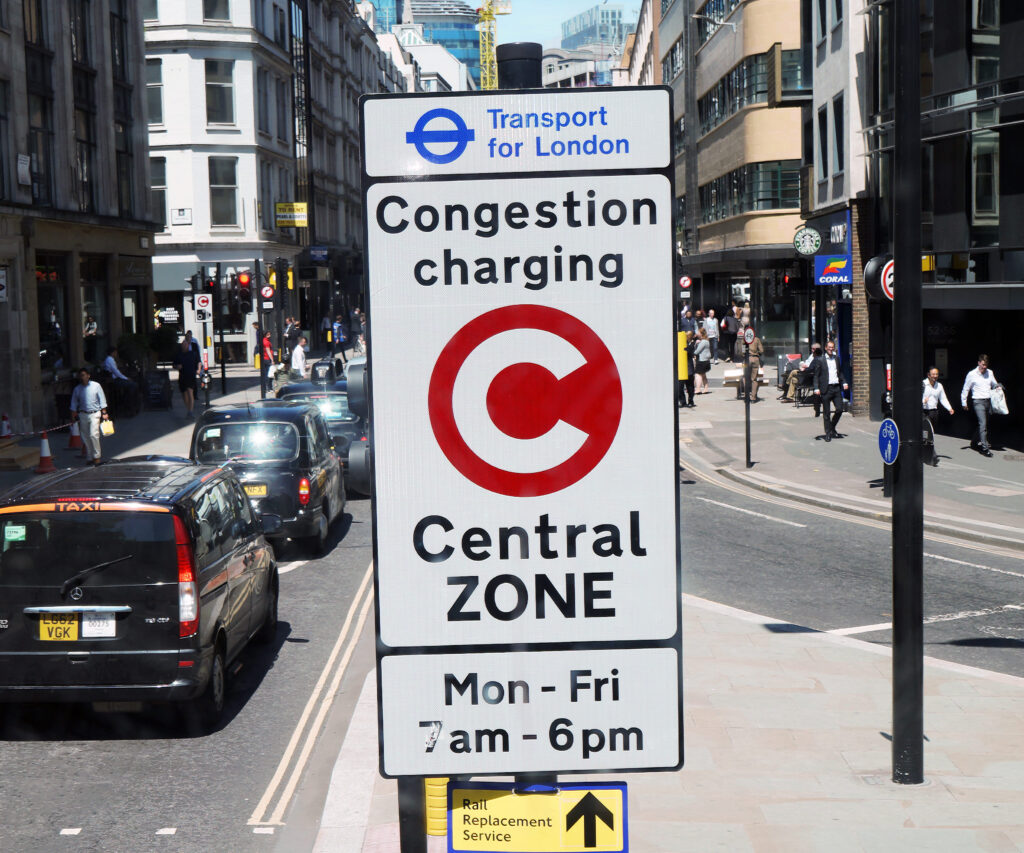
Cities such as London have charged drivers for access to the city’s roads for many years.
Source: Bikeworldtravel/Shutterstock
In other ways, the government has heavily subsidised driving, or hidden the reality of who pays for it in places no one sees. Local laws require off-street parking from businesses and housing developers, who pass on the construction cost of it to tenants and customers who may not drive at all.
Federal and state governments also fund roads with petrol taxes that feel far removed from a direct user fee (and that have come to operate like less and less of one in an era of fuel efficiency).
“They add up to a pretty giant system of subsidies,” said Michael Manville, a professor of urban planning at the University of California, Los Angeles. “But they don’t look like what we often consider subsidies.”
This system looks to us, instead, like an entitlement — driving is an American right, and so the infrastructure that enables it should be free.
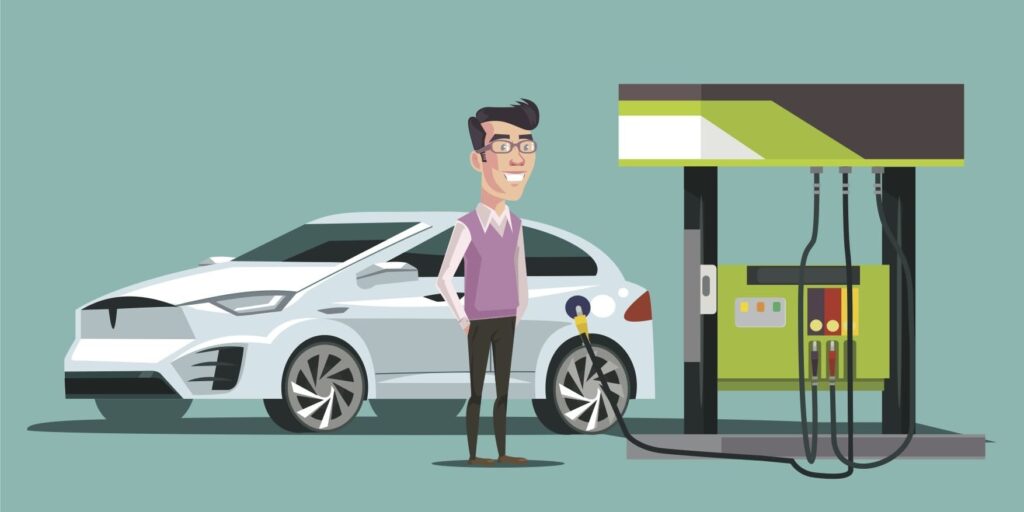
Driving is seen to be an American right and people feel entitled to use public roads for free.
Source: Pretty Vectors/ Shutterstock
Congestion pricing is premised instead on the notion that public roads are a valuable and scarce resource. And we should pay in some places to use it not primarily to raise revenue, but to help manage access for everyone.
“It’s a huge departure from how we’ve culturally thought about this over the years,” said Kari Watkins, a professor at Georgia Tech’s School of Civil and Environmental Engineering.
In reality, the government is a monopoly provider of road space, and the government has largely chosen to give it away. It’s no surprise, then, that the vast majority of American commuters drive to work alone, or that all those lonely commuters (plus taxis, Ubers, buses and delivery trucks) cause congestion.
Take those expectations to their logical conclusion in a major city today, and you get 10-mile-per-hour road speeds, rampant double parking, clogged intersections and worsening commute times.
And finally, for New York at least, you get the political will for congestion pricing.