-
 IELTS Topic: TRANSPORT
Reading 1
Making public transport an attractive option
Original source: Vox, Daily Mail, C40 Knowledge, World Bank

“Commuting sucks,” quips British journalist Joseph Stromberg. “But it doesn’t suck for everyone.”
The key, it turns out is the duration and stress of your journey to and from work. Under 15 minutes and it’s generally not a problem say researchers for the UK’s Office of National Statistics, whether you are walking, cycling, catching the metro or taking a bus. For every minute over that, however, commuters feel more and more stress, particularly those on trains and buses. The worst anxiety comes with trips of between 61 and 90 minutes.
That’s why there’s such a need for high-quality public transport services that are reliable, frequent, fast, comfortable, accessible, convenient, affordable and safe.
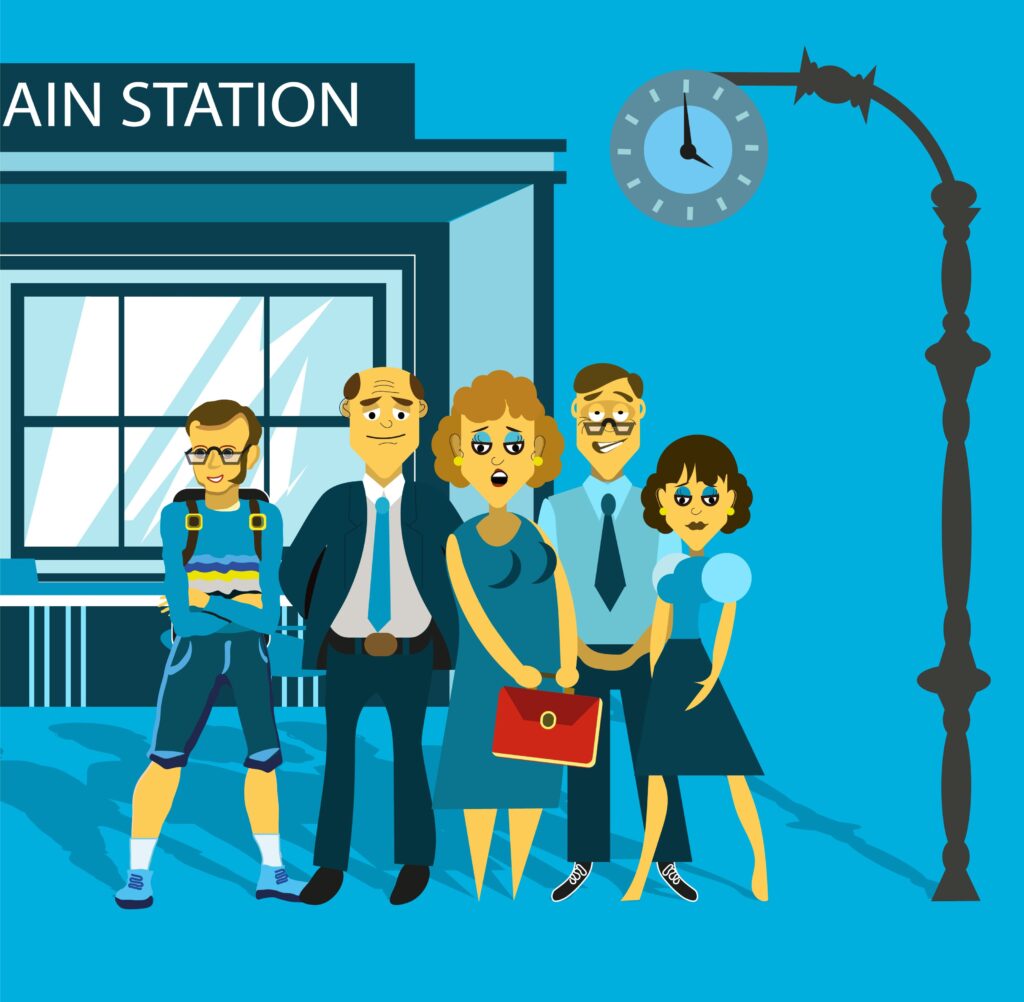
There should be bus stops at every metro station with schedules that coincide. No passenger should be left stranded.
Source: SunshineVector/Shutterstock
For every minute over (a 15 minute journey to work), commuters feel more and more stress
In large cities, mass transit options such as metro and bus rapid transit (BRT) are the most efficient and sustainable ways to move large numbers of people across the city.
Promoting a whole-network approach to public transport includes:
Physical planning. Bus and metro routes, as well as walking and cycling infrastructure, should be planned to intersect each other, so that no passenger is left stranded; they must be able to move easily from one system to another to complete their journeys. It needs to be simple to understand (an easy-to-read map is essential) and practical to use.
Integrated fares. Payment systems should be integrated into smart ticketing systems so that passengers only pay once for trips that include both bus and rail.
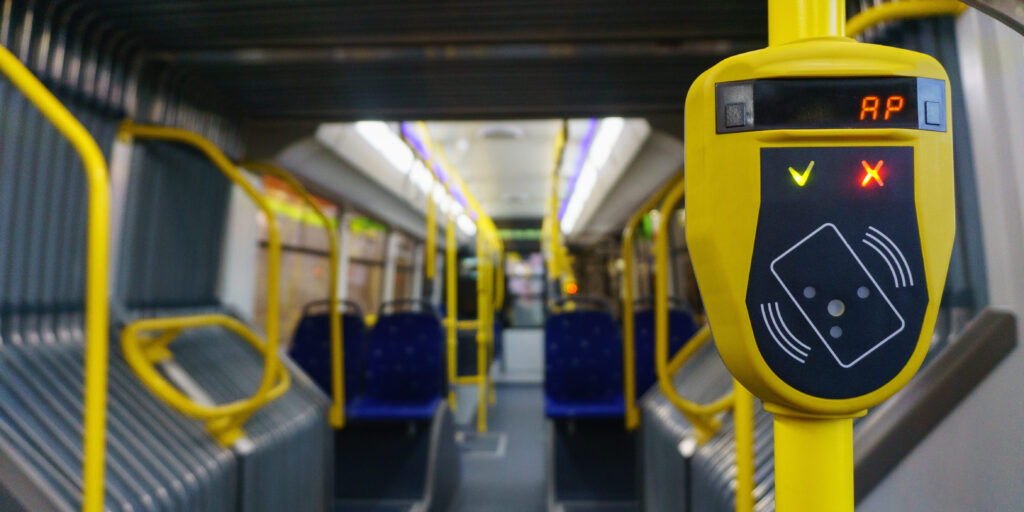
Smart ticketing systems ensure that commuters only pay once for trips that include bus and rail.
Source: Adam Smith/Shutterstock
High frequency, reliable services. Buses on major routes are necessary at least every 15 minutes, the minimum frequency at which a service is considered good enough for commuters to turn up without looking up a schedule. Peak-hour metro should be even more frequent.
Integrated operations. Ideally, a single agency should be responsible for managing all public transport systems in the city. London is a good example of this: Transport for London is responsible for managing both the city’s metro and its bus operations.