-
 IELTS Topic: ADVERTISING & MARKETING
Reading 2
Standing out in a crowd: attention matters
Original source: The New York Times

Breaking through the ad clutter
Geico, an insurance company, has long been known for running four or five campaigns at once. The look and style of the ads vary, but some core ideas are repeated from one campaign to another, among them the concept of how spending 15 minutes with Geico can help save money on insurance purchases.
The idea of multiple ads is to break through the ad clutter
The initial commercials in the new campaign use exaggerated humour to depict some difficult, and possibly unpleasant, methods of saving money. Among the extreme measures are teaching a 5-year-old to dunk a basketball so that he may eventually land a college scholarship, economising on sushi by foraging in your fish tank, replacing the human workers at a day care centre with robots and avoiding the expense of downloading music by teaching pets to play songs.
In each instance, it is not immediately clear that the spot is a Geico commercial. That becomes apparent at the end, when an announcer declares: “There’s an easier way to save. Get online, go to geico.com, get a quote.” The camera then pulls back to show the website on a computer screen.
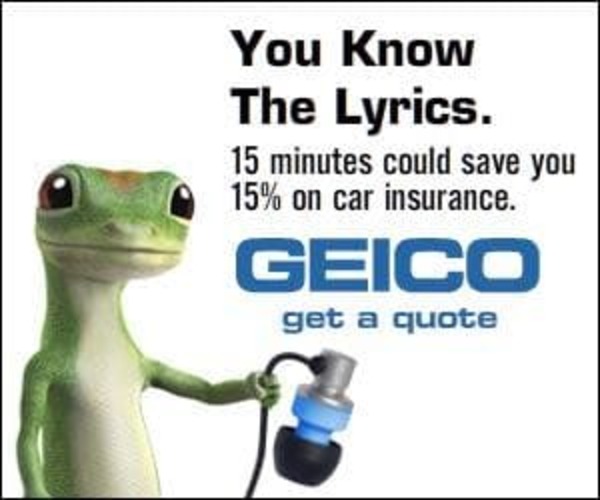
The idea behind multiple, simultaneous campaigns is to break through the ad clutter by attracting attention as well as avoiding the risk of annoying potential customers who tire of seeing the same pitches again and again.
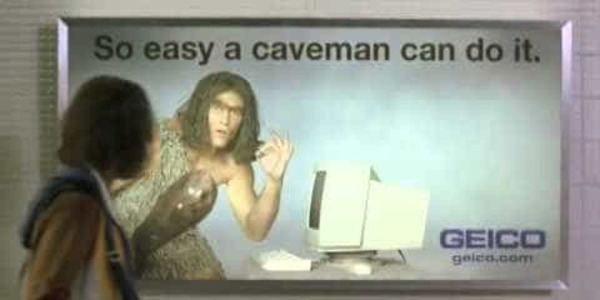
Many of Geico’s ads use humour to attract the attention of potential customers.
The Geico strategy has been deemed successful enough that it is being followed by several other companies in the crowded insurance field, among them Allstate, Progressive and State Farm.
The goal of multiple campaigns is to be noticed in a hyper-competitive category, said State Farm advertising director Tim Van Hoof.
Charities try provocative ads
To introduce a wider audience to Water Is Life , an upstart aid organization that provides potable water to villages in developing countries, advertising agency DDB New York startled even unflappable New Yorkers.
The advertising agency, which accepted Water Is Life as a pro bono client in 2012, placed paper cups in dispensers next to sources of polluted water, including a leak in a Brooklyn subway station and dared New Yorkers to drink up. None did. Some of the paper cups read, “Ingredients: Cholera, Hepatitis, Typhoid, Faecal Matter, Salmonella, E. coli.” DDB then filmed the reactions of those who passed by.
It’s so hard to stand out these days … we have to get crazier, wackier and louder
Matt Eastwood, chief creative officer of DDB New York, acknowledged that he had intended to “shock” his audience in part because: “You are not just competing against other charity brands or public service announcements. You are competing against advertising and marketing from everybody.”
Rob Baiocco, a marketing consultant and chief creative officer of the Bam Connection, who donates his services to several nonprofit organizations, expressed similar sentiments. “It’s so hard to stand out these days,” he said. In recent months, he received 22 appeals from charities, asking for time or money, he said. “It’s good noise,” he said. “It’s still noise.”
To get noticed in what Mr. Baiocco refers to as the “world of competing sorrows,” some charities now resort to provocative advertisements and unconventional marketing.
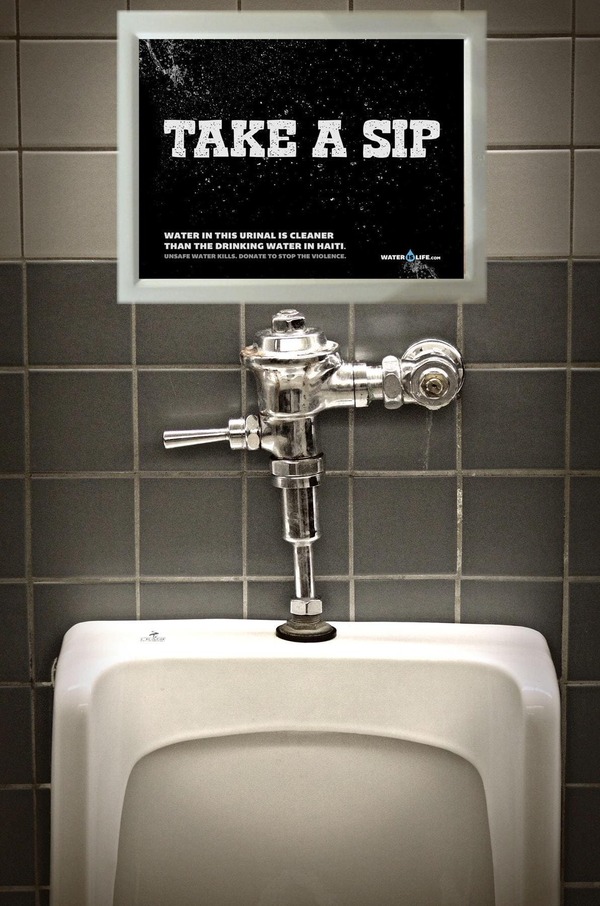
“We are all fighting over smaller and smaller pieces of the pie, so we have to get crazier, wackier and louder,” said Nathan Hand, director of advancement at the Oaks Academy in Indianapolis, who doubles as Nonprofit Nate, a blogger.