
Reading 1
Safeguarding children against cyberbullying
Original source: The New York Times

The bullying started with some teasing and mean comments, but escalated significantly when Mallory Grossman, 12, a cheerleader and gymnast from New Jersey, began middle school. It spread to social media where a group of children tormented her.
They took pictures of Mallory at school, without her knowledge, posted them online and taunted her with text messages containing screenshots of the vicious comments made about her. “They called her horrible names, told her you have no friends and said, when are you going to kill yourself,” said her mother, Dianne Grossman.
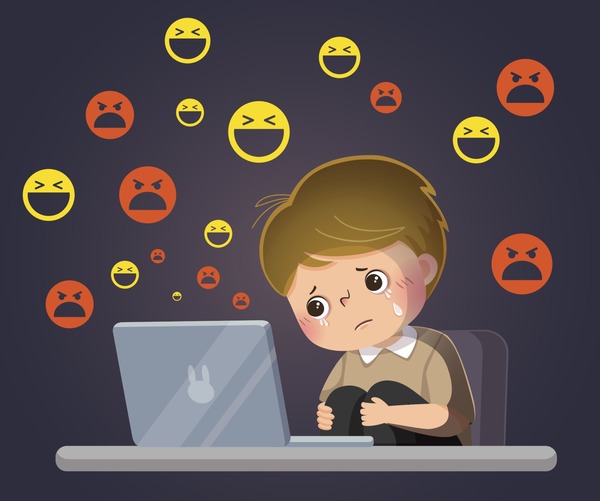
Cyberbullying of children and teenagers can occasionally lead to the suicide of the victim.
Source: KanKhem/Shutterstock
Ms. Grossman frequently reported the bullying to the school, but the harassment continued. She said that by the time she found out about the full scope of the cyberbullying, it was too late. Mallory died by suicide on June 14, 2017.
“The vicious things Mallory’s peers said about her became her reality,” her mother said. “No matter how untrue they were, she started believing them. Words matter — they have the ability to cause significant harm.”
The vicious things Mallory’s peers said about her became her reality … she started believing them
Ms. Grossman is working to pass Mallory’s Law in New Jersey — a bill that would create more accountability in how schools in the state respond to bullying.
A report last year from the Pew Research Centre found that 59 percent of teens said they had been bullied or harassed online — and that many of them think teachers, social media companies and politicians are failing to help.
Cyberbullying includes tactics like posting vicious comments (including text messages), spreading rumours, making threats, telling people to kill themselves, impersonating someone through a fake account and creating a social media account to harass someone.

Cyberbullying includes vicious text messages, spreading rumours and making threats.
Source: Motortion Films/Shutterstock
The Centres for Disease Control and Prevention reports that any type of bullying increases a child’s risk for anxiety, depression, difficulty sleeping, academic problems, and there’s a significant connection between bullying and suicide-related behaviours.
“Bullied children experience shame and humiliation. When they see others ridiculing them online they worry who else saw it, shared it — how far their image travelled,” said Mildred Peyton, a bullying expert in Maryland.
But the impact of cyberbullying is often minimized because of the notion that there is no physical threat — the bully is not there and targeted children could just avoid going online. However, experts say that the children eventually feel the real-life impact when online pictures and rumours about them spread through their schools.
“People are emboldened behind a computer screen and things can escalate very quickly, often turning into a mob of children making cruel comments,” Dr Peyton said. “Victims can’t get a break from the harassment since the bullies can access the internet anytime. Even if a child isn’t online, pictures of them can still be circulated by their peers.”
She added: “Children being bullied need help — and oftentimes so do the bullies — their behaviour is often indicative of instability in their own lives.”